Luxury fashion has always been a statement—but what kind of statement? For decades, designer monograms and bold logos have dominated the industry, signaling status, wealth, and exclusivity. Yet, a quiet rebellion has been brewing. In recent years, stealth wealth—or quiet luxury—has emerged as the antithesis of logomania, shifting the focus from branding to craftsmanship and timeless elegance. This shift has left the industry in an existential dilemma: Is the future of luxury about whispering wealth or screaming status?
The Allure of Quiet Luxury: A Whisper of Wealth
There’s something powerful about a product that speaks for itself. Quiet luxury focuses on craftsmanship, fine materials, and an understated aesthetic that only the discerning recognize. Brands like The Row, Loro Piana, and Brunello Cucinelli exemplify this, crafting pieces that rely on quality over logos.
The cultural fascination with this aesthetic has surged, partly due to shows like Succession, where the ultra-wealthy wear exquisitely expensive yet logo-free attire. To outsiders, their outfits seem simple, but those who understand luxury see exclusivity in every stitch.
This shift reflects changing consumer values. A study from the USC Marshall School of Business suggests brands often charge more for items with subtle logo placement, proving that discretion can carry greater perceived value.
Recent fashion shows have echoed this preference. Giorgio Armani’s “Roots” Collection showcased lush textures and intricate craftsmanship in an intimate salon setting, reinforcing his signature elegance without overt branding. Meanwhile, at New York Fashion Week 2025, Grey/Ven’s “The Journey” emphasized impeccable tailoring and high-quality materials, further cementing quiet luxury as a dominant force on the runway.
Logo Mania: Wearing Status Loud and Proud
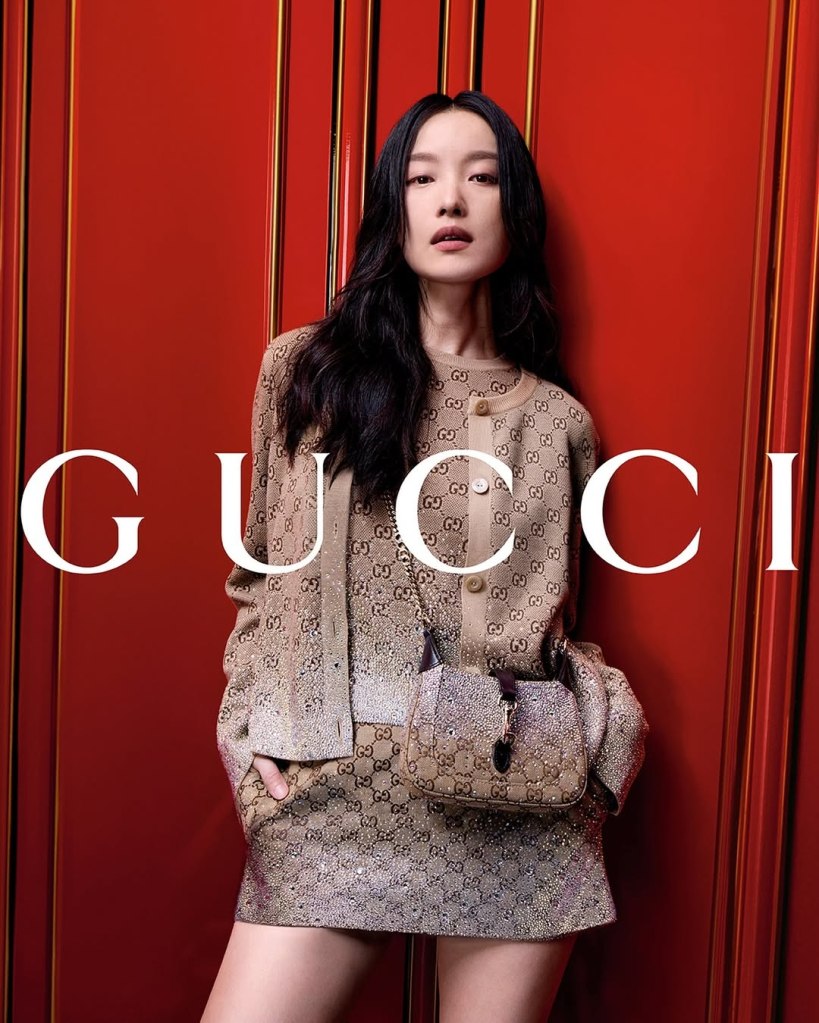
On the flip side, Logo Mania thrives on visibility and instant recognition. From Louis Vuitton’s monogrammed trunks to Gucci’s GG print, logos symbolize heritage, power, and status. This trend appeals to a younger, more social media-driven audience eager to showcase their style and success.
Logos serve as cultural currency, carrying history and identity. Brands like Chanel, Fendi, and Louis Vuitton have cemented their place in pop culture through iconic monograms. Gucci’s Fall/Winter 2025 Collection reflected this approach, revisiting its bold designs from the ‘60s and ‘90s, featuring luxurious faux fur coats and accessories adorned with signature horse-bit hardware.
Recent insights from Bank of America suggest that despite the rise of minimalism, brands relying on bold logos remain essential for driving long-term consumer engagement. While some consumers seek subtlety, the allure of instantly recognizable status symbols still holds strong influence in the luxury market.
The Future of Luxury: Finding the Balance
What lies ahead for luxury fashion? Will brands continue embracing understated refinement, or will logo-heavy branding make a return? The answer likely lies in a balance between the two.
Some brands, like Bottega Veneta, have successfully merged both worlds by eliminating logos while maintaining innovation. Meanwhile, houses like Louis Vuitton blend heritage monograms with modern reinvention, keeping their symbols fresh across generations.
Luxury today is no longer a one-size-fits-all concept. For some, true wealth lies in subtlety; for others, in bold recognition. Both aesthetics reflect the evolving identity of luxury fashion.
Do you gravitate toward the quiet elegance of The Row, or do you love the bold energy of Gucci and Balenciaga? Is luxury about discretion or distinction?


 Noir et Blanc